Passive income is one of the most searched business ideas in the Philippines, and for good reason. Everyone wants an asset that earns while they work a day job or run other ventures. But here is the honest truth: no business is truly 100 percent passive. Every option below asks for something, whether that is capital, staffing, daily effort, or risk. The goal is to find the one whose demands match what you can actually give.
Let us compare five popular options: coffee vending, water refilling stations, laundry shops, food kiosks, and property rental. Then we will place coffee vendo honestly on that map, including where it is not the right fit.
What "passive" really means
A useful way to judge a business is by four demands: capital (how much cash to start), effort (daily hands-on time), staffing (do you need employees), and risk (how easily you can lose money). The most attractive passive-income businesses are low on effort and staffing, even if capital and risk vary. Nothing scores perfectly on all four, so it is about trade-offs.
The five options compared
| Business | Typical capital | Daily effort | Staffing | ROI potential (illustrative) | Main risk |
|---|---|---|---|---|---|
| Coffee vendo machine | Low (from ₱22,500/machine) | Low (refill + clean) | None to minimal | Moderate to high per machine | Wrong location, low footfall |
| Water refilling station | Medium to high | Medium | Usually 1-2 staff | Moderate | Competition, delivery logistics |
| Laundry shop | High | Medium to high | Yes, 2+ staff | Moderate | Rent, utilities, labour cost |
| Food kiosk / franchise | Medium to high | High | Yes | Variable | Spoilage, staffing, franchise fees |
| Property rental | Very high | Low once set up | Optional (admin) | Low but steady | Huge upfront capital, vacancy |
Coffee vending: low capital, low effort, low staffing
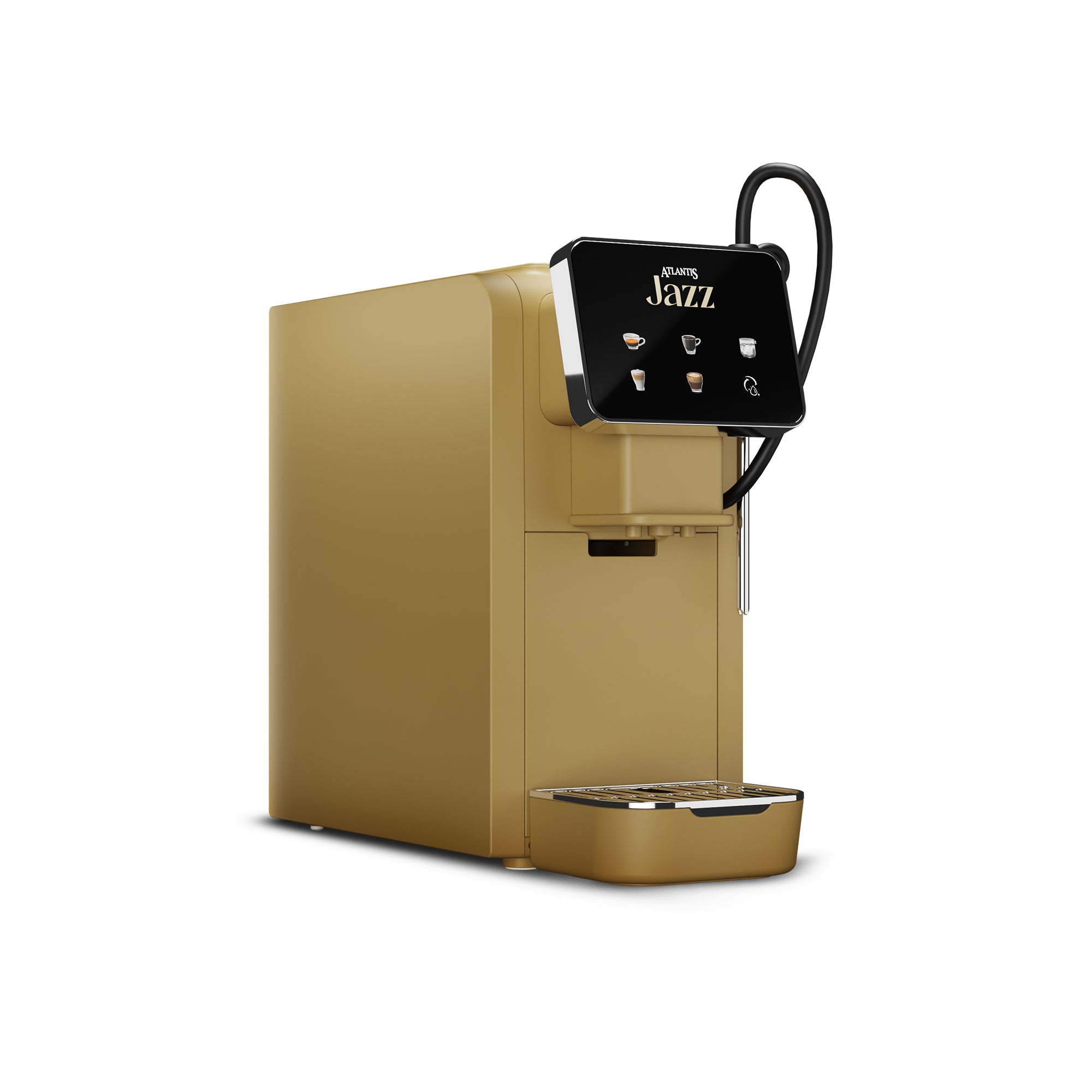
Coffee vendo scores well on the demands that matter most for passive income. Capital is low: a FIFI Classic 2-Lane starts at ₱22,500, and even a multi-lane machine like the Neo 4-Lane is ₱29,600. There is no need to hire staff, since the machine serves customers itself. Daily effort is minimal: refill the premix, keep it clean, collect the cash.
It is also easy to scale. Once one machine works in a good location, you can add a second and a third without proportionally more effort, which is hard to do with a laundry shop or kiosk. For a realistic look at earnings math, see how much can you earn from a coffee vendo business.
The honest catch: coffee vendo lives and dies by location. A machine in a dead corner will not earn no matter how good it is. Your one real job is picking the right spot, which we cover in best places to install a coffee vending machine.
Water refilling station: steady demand, more hands-on
Water refilling is a proven Philippine staple with steady demand. But it usually needs a physical shop, one or two staff, and delivery logistics if you want volume. Capital and effort are higher than a vendo machine. It is a solid business, just less passive. If you want to add water to your setup with far less overhead, our water dispensers start at ₱3,299 and pair well with a coffee point.
Laundry shop: reliable but staff-heavy
Laundry (labada) businesses have consistent demand, especially near condos and dorms. But they carry high capital for machines and space, ongoing rent and utilities, and the need for staff. That makes them more of an active business than a passive one. Good returns are possible, but only with hands-on management or a trusted manager.
Food kiosk or franchise: high ceiling, high demand
Food kiosks and franchises can earn well and have strong brand pull. But they are the least passive on this list: daily prep, spoilage, staffing, and franchise fees all demand attention. If you want something truly low-effort, food is usually not it.
Property rental: the classic, but capital-heavy
Rental property is the textbook passive income: once tenanted, it earns with little daily effort. The barrier is obvious: it needs very high upfront capital that most first-time entrepreneurs do not have, plus vacancy and maintenance risk. It is excellent if you already have the capital, and out of reach for most starters.
So where does coffee vendo fit?
Coffee vendo fits the sweet spot for people who want a genuine low-effort, low-staffing business without the capital of rental property or the daily grind of food and laundry. It will not replace a large rental portfolio, and it demands a good location to work. But pound for pound, few options let you start this small, hire no one, and still scale by simply adding machines.
It also stacks well with what you already do. Many owners run it alongside a sari-sari store, an office, or another negosyo. For a side-by-side against running an actual cafe, read coffee vendo vs coffee shop negosyo. To start from zero, see how to start a coffee vending machine business.
Curious whether a coffee vendo fits your goals and budget? Book a free demo and we will show you the machine, the premix options and realistic numbers, no pressure.
The balanced verdict
There is no single best passive income business in the Philippines, only the best fit for your capital, effort and risk appetite. If you have millions to deploy and want set-and-forget income, rental property is hard to beat. If you want steady demand and can manage staff, water refilling or laundry can work. But if you want the lowest barrier to entry, minimal staffing, low daily effort, and the ability to scale one machine at a time, a coffee vendo machine is one of the most accessible passive-leaning options out there. Explore the lineup on our vending machines page or contact us to talk it through.