
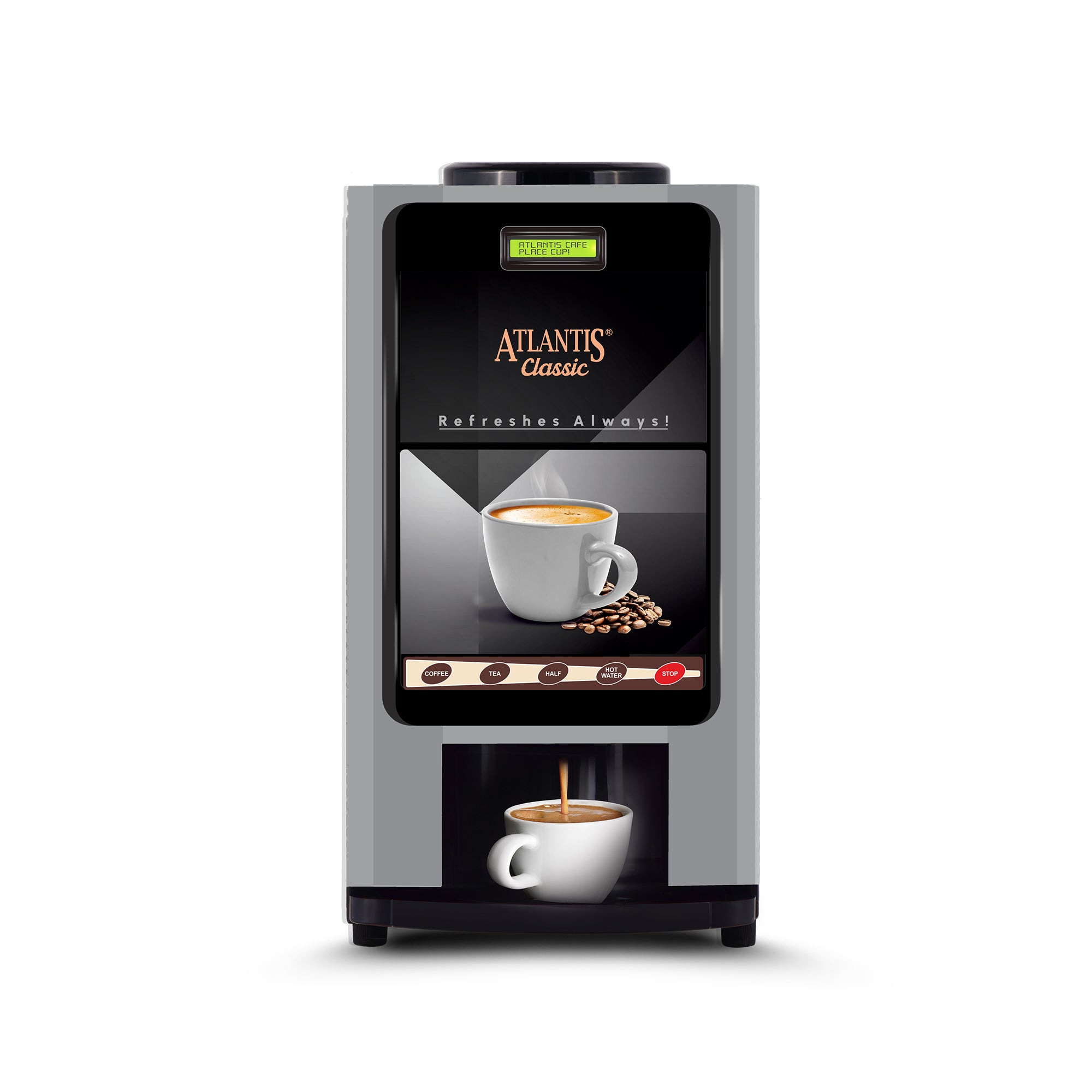
Schools and universities are their own kind of busy. A canteen goes from empty to a crush of students in the two minutes after a bell, faculty rooms need a quiet cup between classes, and everything has to be safe, simple, and affordable. A coffee vendo machine, chosen well, handles all three settings at once. This guide walks Philippine school administrators, canteen concessionaires, and department heads through picking a beverage machine that survives real campus life, from one-touch operation to coin-operated student areas and non-coffee options for younger drinkers.
Why campuses are a natural fit for vendo machines
On a campus, demand is spiky and predictable at the same time. You know the rush comes at recess, at lunch, and between class blocks, and you know it lasts only a few minutes. A vendo machine absorbs that spike without extra staff, serving a hot drink in seconds so the queue clears before the next bell. For faculty and admin areas, it means teachers get their coffee without leaving the building or waiting on a canteen line meant for students.
There is also a revenue angle for canteen concessionaires. A coin-operated machine in a high-traffic spot earns from every cup with almost no labour, which is exactly the kind of low-effort income a busy canteen wants. If you are weighing a machine against hiring more counter help, the earnings breakdown is worth a read.
One-touch operation that anyone can use
A campus machine is used by hundreds of different hands a day, many of them in a hurry and none of them trained. That makes one-touch operation essential. FIFI premix machines dispense a full drink from a single button press, no settings, no barista skills, no waiting. A first-year student, a professor, and a canteen helper all get the same consistent cup the same simple way. Clear labels on each lane and a short laminated guide taped beside the machine are usually all the instruction anyone needs.
Safety first on a campus
Safety is where school procurement rightly gets strict, and premix machines are reassuring here. There is no exposed heating element to touch, no open flame, and no glass carafe to shatter. Hot water is dispensed on demand rather than sitting in an open kettle that a student could knock over. Place the machine on a stable, level surface against a wall, use a grounded outlet, and keep cabling tucked away from foot traffic. For younger student areas, lean toward simple coffee, milk-based, and hot-choco lanes and position the unit where canteen staff can keep an eye on it.
Energy efficiency matters over a long school year
A campus machine runs for most of the school day, most days of the year, so standby efficiency adds up on the electric bill. Premix machines heat water on demand rather than keeping a large tank boiling all day, which keeps consumption modest. Switch machines off over long breaks and weekends, and site them away from direct afternoon sun so the cooling on cold-drink units (if you add a Cool Vend) does not work harder than it needs to. Small habits across a ten-month school year make a real difference to running cost.
Coin-operated for student areas
For open student zones, a coin-operated machine is the sensible default. It handles payment automatically, so no one has to staff it, and the concessionaire earns per cup. The Neo Coin-Operated 2-Lane (₱26,500) is built exactly for this, pairing the reliable Neo body with a coin mechanism. Set a student-friendly price per cup, keep the coin box emptied on a schedule, and the machine effectively runs itself between refills.
Faculty rooms and admin offices are different. There, a free or department-subsidised machine is friendlier, so a plain Classic 2-Lane or Neo 2-Lane without the coin mechanism usually fits better. Many campuses run coin-operated units in student areas and non-coin units in staff rooms.
Tea and hot choco for non-coffee drinkers
A campus is the one setting where a big share of your users do not drink coffee at all. Younger students, and plenty of staff, want hot choco, milk tea, or a milk-based white coffee instead. This is where lane count earns its money. A 3-lane or 4-lane machine lets you run, say, coffee, white coffee, and hot choco side by side, so nobody walks away empty-handed. Browse the premix range to plan your line-up, and remember the Neo range adds a dedicated hot-water tap for anyone who brings their own tea bag or instant.
Which machine fits which campus spot
| Campus location | Suggested machine | Notes |
|---|---|---|
| Main student canteen | Neo Coin-Operated 2-Lane (₱26,500) | Self-funding, coin payment, built for high traffic |
| University-wide with variety | Select 7-Option (₱36,800) | Widest drink choice for a big, mixed campus |
| Faculty / staff room | Neo 2-Lane (₱23,500) | Dedicated hot-water tap for tea and instant drinkers |
| Small department office | Classic 2-Lane 2L (₱22,500) | Lowest-cost machine, simple to run and easy to place |
| Elementary canteen | Neo 3-Lane (₱25,800) | Coffee, white coffee and hot choco on separate lanes |
Maintenance the canteen staff can handle
A school machine has to be maintainable by the people already on site, not a visiting specialist. Premix machines are ideal because the routine is simple: wipe the dispensing area daily, rinse the mixing bowls and nozzles weekly, and refill canisters before they run dry. There are no grinders or espresso group heads to service. Assign the task to a named canteen staffer, keep a small stock of premix on hand, and the machine stays reliable through exam weeks and enrolment rushes alike. For campuses that would rather not manage it in-house, FIFI offers an AMC so a technician handles scheduled upkeep, and every unit carries a one-year on-site warranty.
Budgeting for a school machine
School budgets are careful, and the good news is the entry point is modest. A Classic 2-Lane starts at ₱22,500, and a coin-operated Neo starts at ₱26,500. Because FIFI offers rent-to-own, a canteen or department can start earning or serving before paying the full amount up front, spreading the cost across the school year. Factor in premix packs (roughly ₱175 to ₱1,800 depending on size) and modest electricity, and the running cost per cup stays low.
Planning a canteen or faculty-room setup for the new school year? Book a free on-site demo and we will help you choose the right machines and lane line-up.
The bottom line for schools
For campuses, the winning formula is coin-operated machines in student areas, simple non-coin units in faculty rooms, plenty of lanes so non-coffee drinkers are covered, and one clear owner for daily cleaning. Start with a Neo Coin-Operated 2-Lane in the canteen and a Neo or Classic in the staff room, keep premix stocked, and use rent-to-own to stay within budget. Do that and a coffee vendo becomes one of the lowest-fuss, most-used facilities on campus. See the whole range on the vending machines page or read the wider buying guide before you decide.