If you are shopping for a coffee vendo machine in the Philippines, you will quickly run into two very different technologies: bean-to-cup machines that grind fresh beans for every serving, and premix (instant) machines that blend a ready-made powder with hot water. Both make a cup of coffee. But they behave very differently once you factor in cost per cup, daily maintenance, uptime and the realities of a busy Filipino office or negosyo.
This guide compares them honestly. We will be upfront about one thing from the start: at FIFI, our Atlantis machines are premix and instant units, plus one capsule model (Jazz). We do not sell bean-to-cup. So instead of pretending both are equal, we will explain how bean-to-cup works in general, and then show you why premix tends to be the better fit for high-volume Philippine locations.
How each machine actually works
A bean-to-cup machine stores whole roasted beans in a hopper. For every order it grinds a fresh dose, tamps it, forces hot water through the grounds, and (on milk models) froths fresh or powdered milk. It is essentially a compact barista in a box.
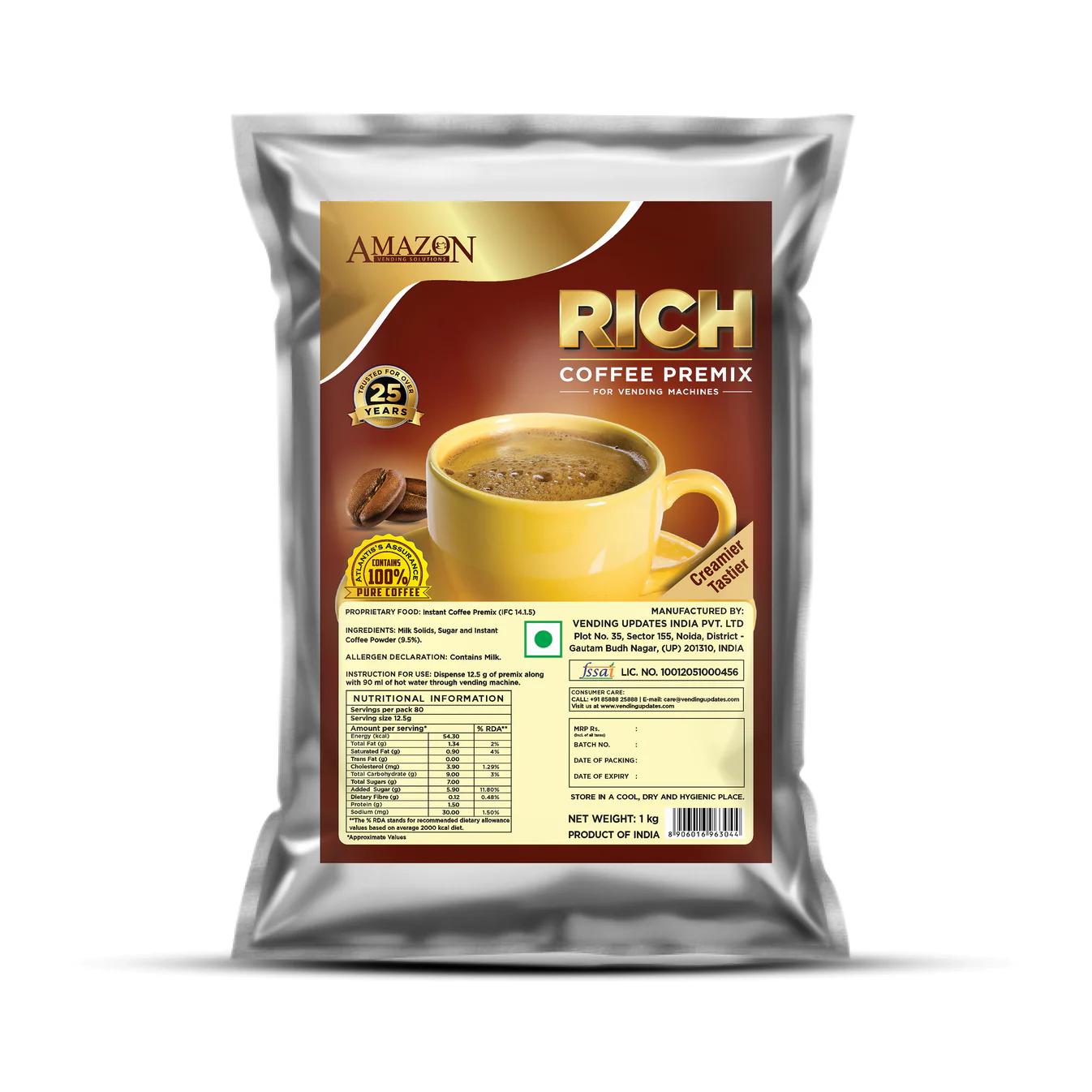
A premix coffee vendo machine stores instant powders in canisters, usually one canister per lane or drink. When someone selects a drink, the machine doses the right amount of powder and mixes it with hot water in a mixing chamber. FIFI premix lanes cover 3-in-1 coffee, black coffee, milk tea, hot choco, and more, depending on how many lanes the machine has.
The capsule route sits in between. FIFI's Jazz Capsule machine uses sealed capsules for a fresher cup than powder, with almost none of the cleaning burden of grinding beans. It is a nice middle option for smaller, taste-focused spots.
The full comparison at a glance
| Factor | Bean-to-Cup | Premix / Instant | Winner for PH negosyo |
|---|---|---|---|
| Taste ceiling | Highest (fresh-ground, cafe-style) | Very good and consistent | Bean-to-cup on peak taste |
| Consistency cup-to-cup | Varies with beans, grind, humidity | Same cup every time | Premix |
| Cost per cup (ingredients) | Higher (fresh beans, fresh milk) | Lower and predictable | Premix |
| Upfront machine price | Typically much higher | From ₱22,500 at FIFI | Premix |
| Daily maintenance | Grinder + brew group cleaning daily | Refill powder, occasional rinse | Premix |
| Speed per cup | Slower (grind + brew cycle) | Fast (mix + pour) | Premix |
| Uptime / reliability | More moving parts to fail | Fewer parts, fewer breakdowns | Premix |
| High-volume handling | Can bottleneck at rush | Handles queues well | Premix |
| Best for | Boutique cafes, taste-first spots | Offices, canteens, clinics, negosyo | Depends on goal |
Taste: bean-to-cup wins the ceiling, premix wins the floor
Let us be fair. A well-maintained bean-to-cup machine, with good beans and fresh milk, produces the best cup. If your whole pitch is cafe-quality coffee and customers are paying a premium for it, that freshness matters.
But there is a catch. Bean-to-cup taste is only as good as its worst day. Skip a grinder cleaning, let beans sit in Philippine humidity, or run low on fresh milk and the quality drops fast. Premix flips this: the taste ceiling is a bit lower, but the floor is much higher. Cup number 1 and cup number 400 taste the same. For an office or canteen where nobody is a trained barista, that reliability is worth more than a slightly better best-case cup.
Cost per cup and machine price
Ingredient cost is where premix pulls clearly ahead. Fresh beans and fresh milk cost more per serving and spoil faster. Premix powder has a predictable cost per cup and a long shelf life, so waste is minimal. You can browse options on our tea and coffee premixes page, where packs run roughly ₱175 to ₱1,800 depending on type and size.
Machine price is the bigger gap. Quality bean-to-cup units are a serious investment. FIFI premix machines start at ₱22,500 for the Classic 2-Lane and go up to ₱36,800 for the Select 7-Option. For a full breakdown, see our coffee vending machine price guide.
Maintenance and reliability in Philippine conditions
This is the deciding factor for a lot of owners. A bean-to-cup machine has a grinder, a brew group and (often) a milk system, all of which need daily cleaning and periodic descaling. Miss it and you get clogs, off-taste and breakdowns. In humid PH conditions, beans and milk residue are unforgiving.
A premix vendo machine is far simpler. You refill powder canisters, rinse the mixing bowl now and then, and keep the water supply clean. Fewer moving parts means fewer things that break and less downtime, which matters a lot when the machine is your income. We cover the full routine in our coffee vending machine maintenance guide. Every FIFI machine also ships with a 1-year on-site warranty, so if something does go wrong, help comes to you.
Speed and high-volume performance
During an 8am rush or a canteen break, speed decides whether people wait or walk away. Bean-to-cup runs a full grind-and-brew cycle per drink, which creates a queue at peak. Premix mixes and pours in seconds, so it clears a line quickly. If you are placing a machine somewhere with tight break windows, like a factory, school or hospital, premix throughput is a real advantage. See our roundup of best places to install a coffee vending machine for volume-heavy locations.
So which should you buy?
Choose bean-to-cup if you are running a boutique cafe, taste is your entire selling point, you can charge premium prices, and you have someone willing to clean it daily. Choose premix if you want consistent cups, low maintenance, predictable costs, fast service and a much lower entry price, which describes almost every Philippine office, canteen, clinic and negosyo.
That is exactly why FIFI specialises in premix and instant machines. For a small, taste-forward corner where you still want freshness without the cleaning burden, the Jazz Capsule at ₱24,300 is a smart middle ground. For everything else, a multi-lane premix machine gives you the best balance of cost, uptime and cups per day.
Not sure which fits your space? Book a free demo and we will help you match the right premix machine to your location, foot traffic and budget.
The honest bottom line
Bean-to-cup makes the best single cup on its best day. Premix makes a very good cup every single day, for less money, with less work, at higher volume. For the way most Filipinos run coffee negosyo, that trade favours premix, and it is why we build our lineup around it. Explore the full range on our vending machines page or contact us to talk it through.